
Every successful event starts with a clear purpose. Bringing that purpose to life takes thoughtful planning, clear communication and an experienced team who understand how every detail contributes to the experience.
At Wrapped Creations, we follow an event lifecycle that connects strategy, production, delivery and evaluation. Whether we’re delivering a corporate conference, an industry celebration or a community festival in regional Western Australia, each stage builds towards the same goal: an event that delivers on its objectives and creates meaningful connections.
Here’s what that process looks like.
1. Brief, Strategy & Planning
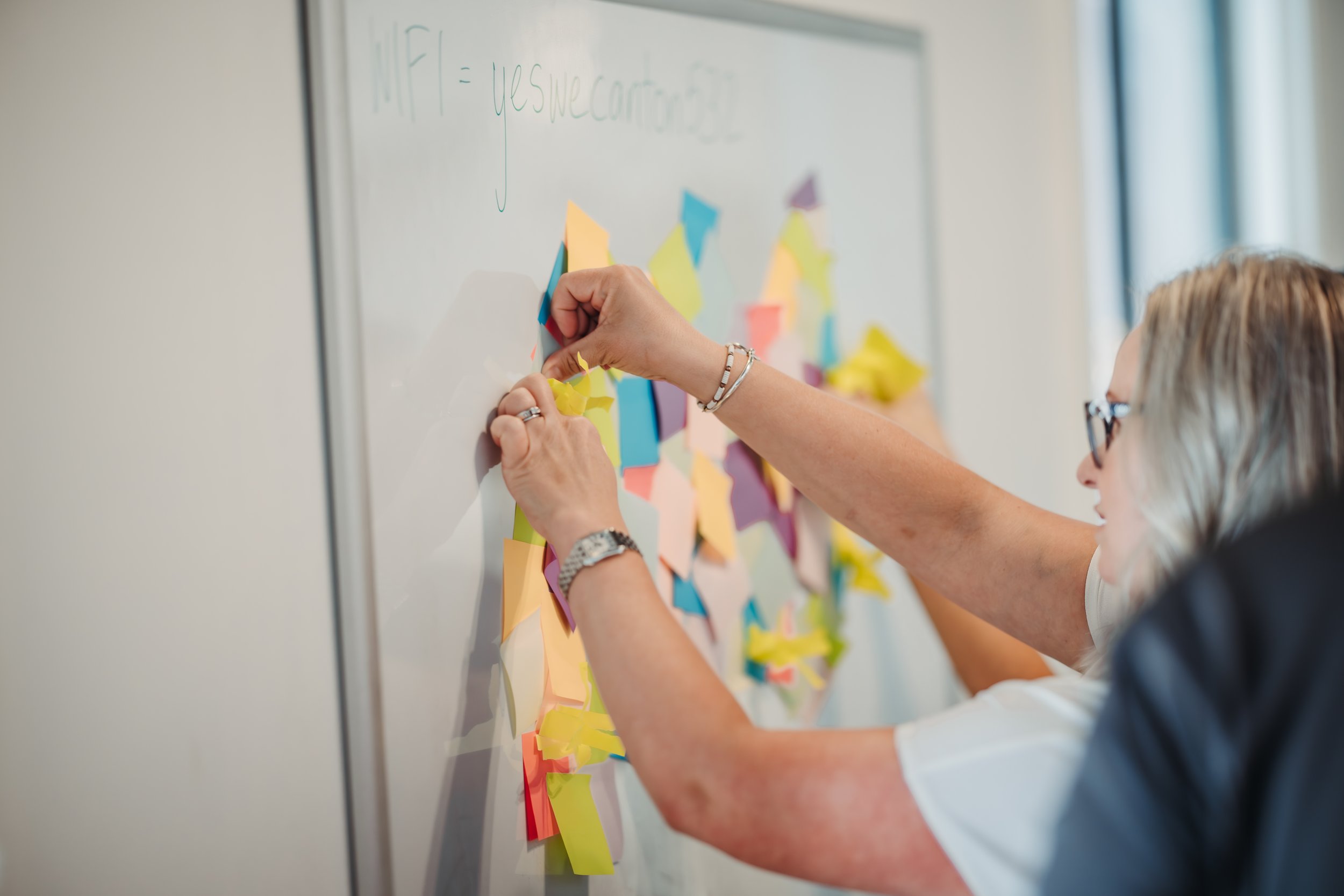
Before we consider the venue, staging or entertainment, we start with the purpose.
Why is this event happening? Who is it for? What do we want people to feel, understand or do as a result? And how will we know it has succeeded?
These questions shape the brief and establish the objectives, budget, timeline and scope. From there, we develop a plan that brings together the creative concept, programming, logistics, communications and audience experience.
Accessibility, cultural considerations and risk planning belong in these early conversations. They influence how people experience an event and how confidently it can be delivered.
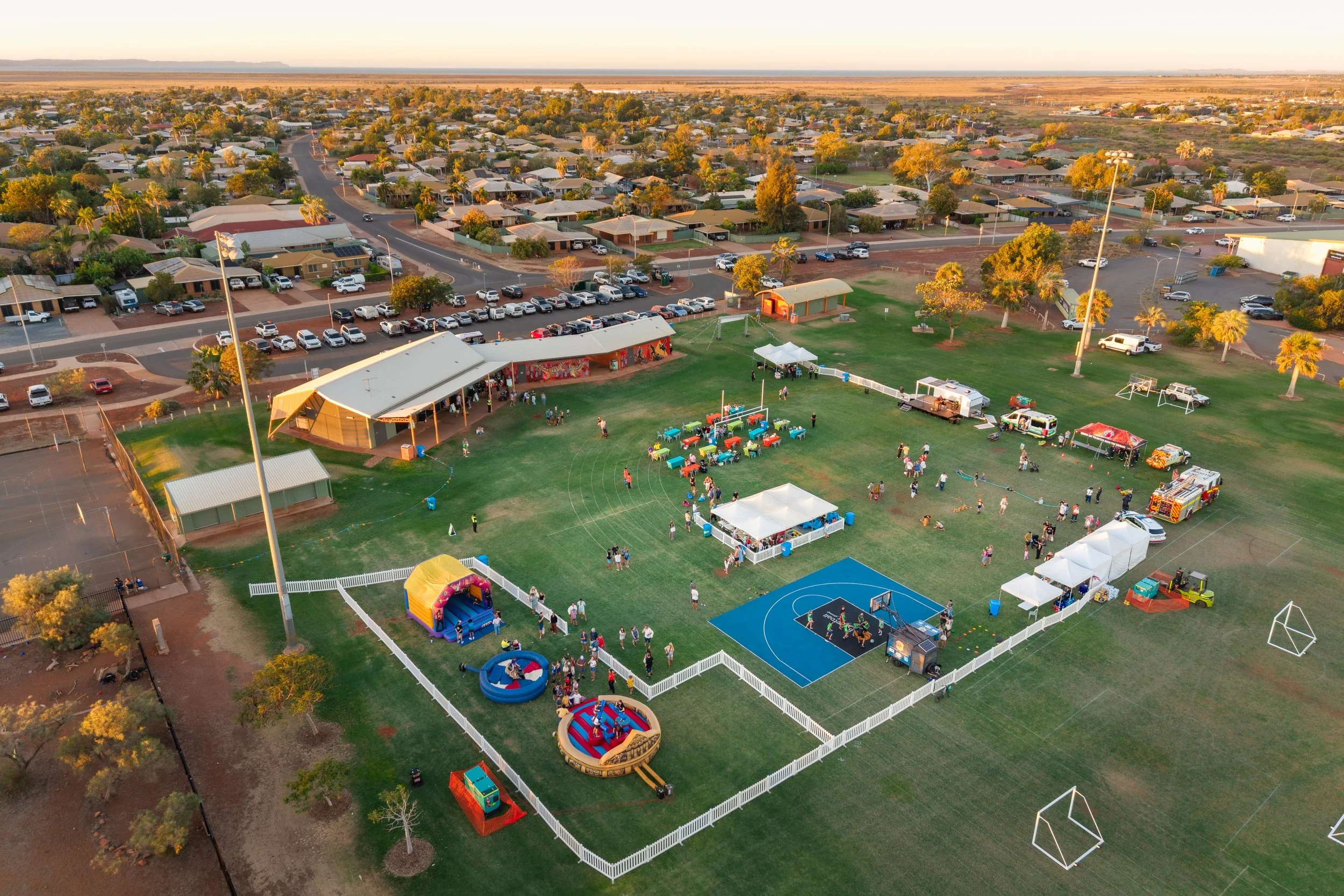
For regional events, understanding the location and community is equally important. Flights, accommodation, freight, weather and equipment availability can all shape the plan. Local knowledge and supplier relationships help us anticipate those needs and identify opportunities to involve the people and businesses who know the region best.
Our lived regional experience informs these decisions from the outset, laying the groundwork for an event that feels connected to its setting.
2. Suppliers & Production
With the strategy in place, the focus turns to coordinating the people, services and equipment that will bring it to life.
Staging, audio-visual production, catering, entertainment, signage and transport all need to work within one coordinated plan. Every supplier needs a clear brief, agreed responsibilities and a shared understanding of the schedule.
The detail matters. A change to a delivery time can affect site access, installation and rehearsals. Managing those connections requires consistent communication, realistic timelines and contingency plans.
We bring these elements together with oversight of budgets, production requirements and the wider event objectives. That gives our clients a clear view of progress and confidence in the decisions being made.

3. Bump-In & Event Day
Bump-in is the setup phase, when the plans take physical shape.
Equipment arrives, stages are built, signage is installed and the venue becomes ready to welcome guests. Supplier coordination, team briefings, technical checks and rehearsals help ensure everyone understands their role before the event begins.
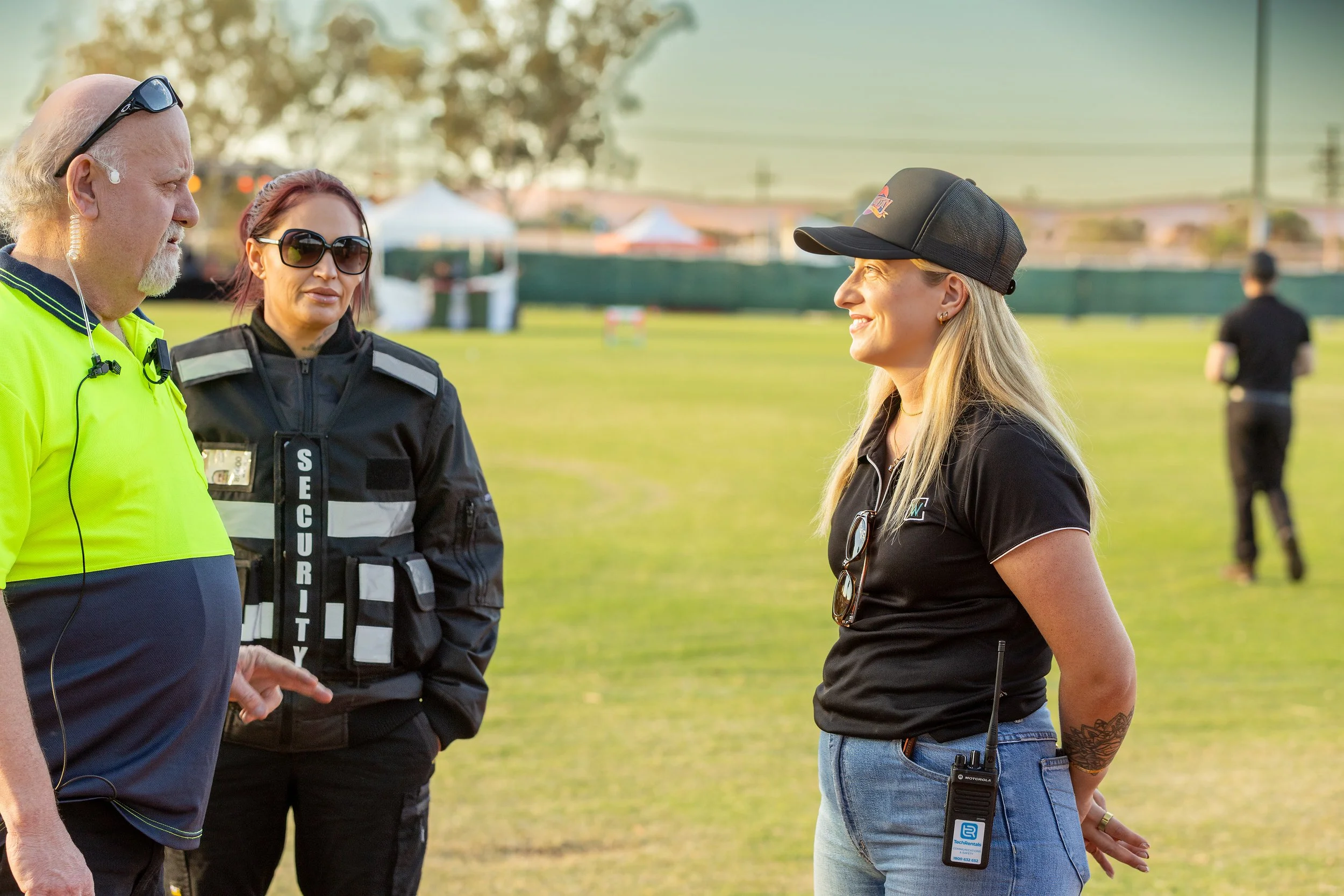
On event day, our team oversees the programme, coordinates suppliers and manages the flow of the experience, from the first arrival to the final farewell.
Live events require sound judgement and the ability to adapt. Clear communication and preparation allow us to respond calmly when circumstances change, keeping safety, timing and the audience experience at the centre of each decision.
When an event feels effortless for guests, it reflects the planning and coordination supporting it.
4. Pack-Down, Evaluation & What Comes Next
The event continues beyond the final guest’s departure.
A coordinated pack-down ensures equipment is removed, suppliers complete their work and the site is handed back appropriately. Final costs, supplier debriefs and client feedback then help complete the picture.
Evaluation brings us back to the original brief: did the event achieve what it set out to do?
Attendance, engagement, feedback, budget performance and supplier delivery provide useful measures. Depending on the objectives, success may also include stronger stakeholder relationships, workforce connection, local supplier participation or community engagement.
Reviewing these outcomes helps identify what to carry forward and what to improve. It also gives clients a clearer understanding of the value their event delivered.
A Connected Approach to Event Delivery
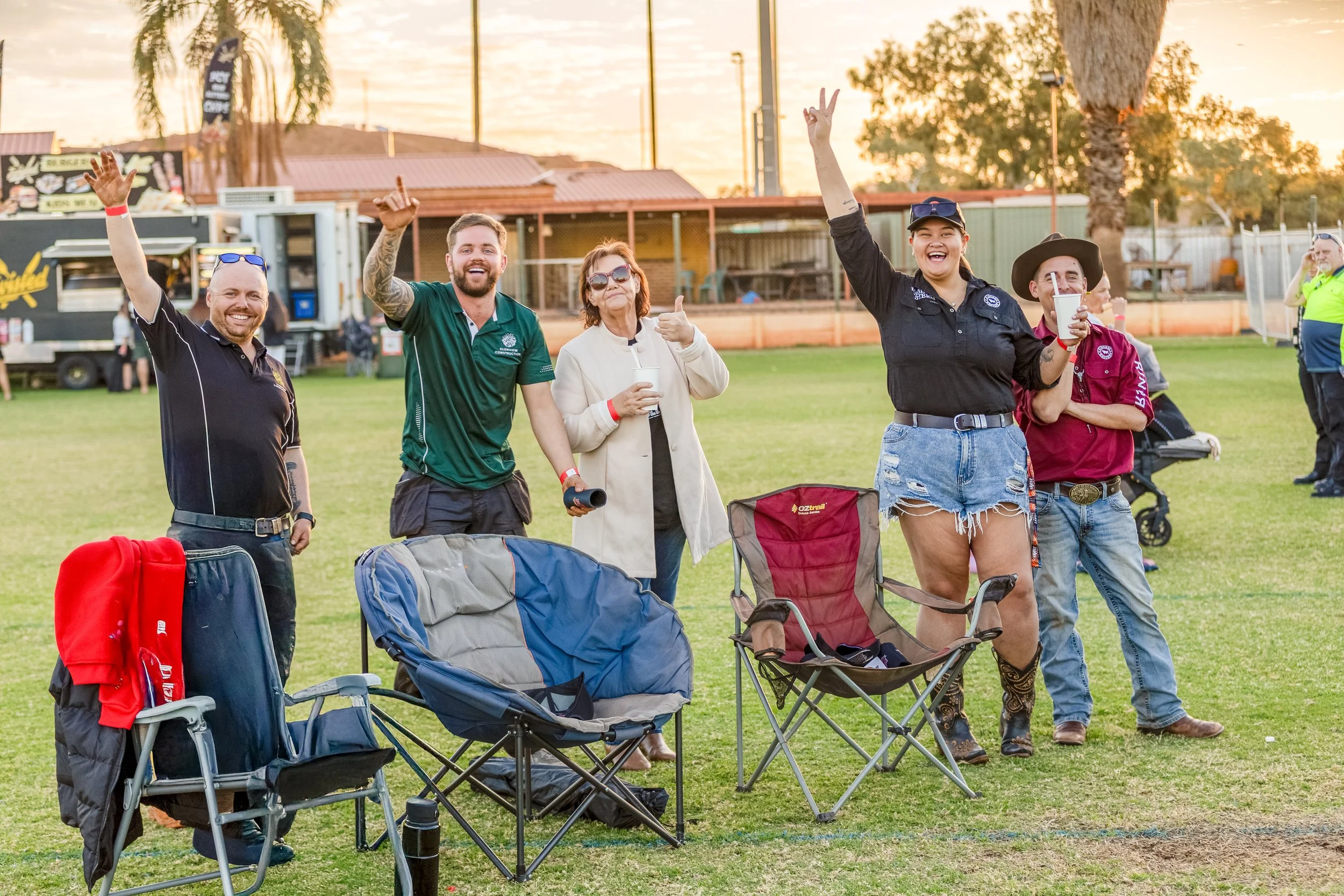
Each stage of the event lifecycle influences the next. A clear brief guides better decisions. Coordinated production supports confident delivery. Thoughtful evaluation strengthens the next event.
At Wrapped Creations, we bring strategy, creativity, cultural consciousness and practical delivery experience together throughout that journey. The result is an event built around its purpose, its setting and the people experiencing it.
Planning an upcoming event? Talk to the Wrapped Creations team about bringing it to life, from the first brief to the final review.